Comic Toon: A Display Font for Web Design and Brand Identity
The Power of a Strong Typeface in Digital Design
In the world of web design, typography is more than just aesthetics—it's a key component of user experience. Choosing the right font can make or break a design’s readability, visual hierarchy, and brand perception. Comic Toon stands out as a versatile display font that brings energy, character, and drama to digital projects. Whether you're designing a landing page, a product banner, or a brand-focused website, this font has the potential to elevate your creative vision.
What Makes Comic Toon Unique?
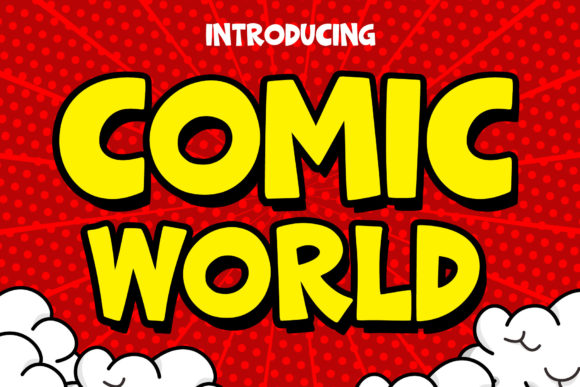
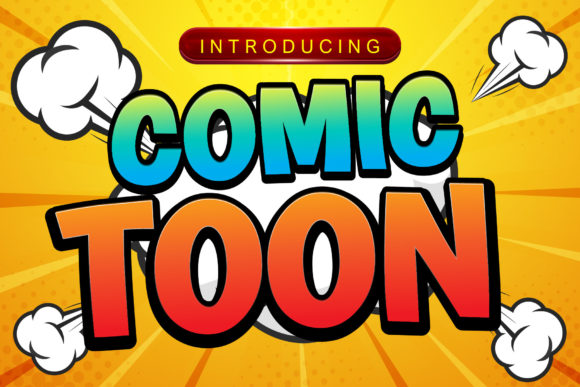
Comic Toon is a bold, stylized display font with a playful yet dramatic personality. Its exaggerated letterforms and dynamic curves give it a comic book-inspired look that feels both modern and nostalgic. This font works exceptionally well for titles, headlines, and short phrases where impact matters most. It’s designed to catch the eye and create a strong first impression, making it ideal for use in areas like hero sections, call-to-action buttons, and promotional banners.
Despite its bold style, Comic Toon maintains a level of clarity that makes it suitable for various applications. Its clean stroke work ensures that even at smaller sizes, the text remains legible. This balance between style and readability is what makes it a valuable addition to any designer’s toolkit.
Where to Use Comic Toon in Your Designs
Comic Toon shines in high-impact areas of a website or digital project. Here are some practical use cases:
- Hero Sections: Use Comic Toon for main headlines to draw attention immediately upon landing on a page.
- Call-to-Action Buttons: The font’s boldness makes it perfect for CTA text, encouraging users to take action.
- Online Store Banners: Add a sense of fun and excitement to product displays with this vibrant typeface.
- Blog Headers: Make your blog posts stand out with a fresh, engaging title that reflects your brand’s tone.
- Course Sales Pages: Create an energetic feel that aligns with the learning or creative nature of your content.
- Portfolio Websites: Showcase your work with a font that speaks to creativity and professionalism.
- Branded Web Content: Incorporate Comic Toon into logos, social media graphics, or email headers to reinforce brand identity.
When using Comic Toon, it’s important to consider its role in the overall layout. As a display font, it should be used sparingly and strategically to avoid overwhelming the user. Pairing it with a simpler sans-serif or serif font for body copy can help maintain a balance between style and readability.
Readability and Responsiveness Across Devices
While Comic Toon is visually striking, it’s crucial to ensure it performs well across all screen sizes and devices. On mobile screens, the font should be used in larger sizes to maintain legibility. Avoid using it for long paragraphs or small buttons, as this can reduce usability.
On dark backgrounds, Comic Toon’s contrast with light text can enhance visibility, while on light backgrounds, it may require careful color selection to prevent eye strain. When overlaying the font on images, ensure sufficient contrast to keep the text readable. Testing across different environments is always a good practice to guarantee optimal performance.
Font Pairing for Web Design Success
Pairing Comic Toon effectively can significantly enhance your design. Consider combining it with a simple sans-serif font like Montserrat or Open Sans for body copy. This pairing creates a clear visual hierarchy, guiding the user’s eye from the headline to the supporting text.
If you’re aiming for a more editorial or professional look, pairing Comic Toon with a serif font like Georgia or Merriweather could add depth and sophistication. For a more playful vibe, try pairing it with a handwritten or script font, but be mindful of maintaining a cohesive aesthetic.
Always test font pairings in real layouts to ensure they work together harmoniously. The goal is to create a design that is both visually appealing and functionally effective.
Commercial Licensing and Font Availability
Before using Comic Toon in client projects or commercial websites, make sure you have the appropriate license. Most premium fonts offer commercial use rights, but it’s essential to check the specific terms provided by the font creator or distributor.
Ensure that the font includes necessary file formats such as WOFF, WOFF2, and TTF for web use. Also, verify if alternate weights, italics, or multilingual support are available, as these can expand the font’s versatility in different design scenarios.
For designers working on templates or brand kits, having access to multiple styles and weights can streamline the design process and improve consistency across various assets.
Conclusion
Comic Toon is more than just a decorative font—it’s a powerful tool for web designers and digital creators looking to make an impact. With its unique style, readability, and adaptability, it can enhance brand identity, drive engagement, and support a wide range of design applications. By understanding its strengths and limitations, you can use it effectively to create compelling, user-friendly designs that resonate with your audience.